
Before you hand off another regression cycle, ask who will update the tests when tomorrow's requirements change. Applause delivers testing as a managed service that combines a global tester community with AI and automation. Minitap is an AI QA employee that writes and runs regression scenarios and proposes test updates your team reviews, without your engineers rewriting scripts or selectors. This Minitap vs Applause comparison follows that work through a release: updated coverage, completed runs, and clear next steps when testing hits a blocker.
TLDR:
- Start with who updates your regression coverage when requirements change.
- Applause designs the test strategy and runs managed engagements that mix crowdtesters, AI, and automation.
- Compare completed runs across geography, CMS state, and feature flags, not tester availability.
- Minitap's AI QA employee writes and runs regression scenarios on web and mobile, and proposes test updates your team reviews.
What Is Applause?
Applause manages and coordinates testing within an agreed scope, using a crowdsourced tester network alongside AI and automation tools. Founded in 2007, it was described in an HBS student submission as crowdsourcing testers located in more than 200 countries. Customers engage a vendor-managed service, with human coordination central to how testing gets done, a contrast worth weighing in any Minitap vs manual QA comparison.
According to Applause's website, its managed services include functional, accessibility, payment, localization, and UX testing, plus AI evaluation, and its community counts 1.5M+ testers across 200+ countries and territories and 150+ languages. For example, a payment-testing engagement can validate checkout with in-market testers using live payment instruments. Engagements fit into customers' existing delivery processes: Applause lists integrations with tools such as Jira, GitHub, and TestRail, and Gartner describes support for integration with development workflows. For engineering leaders, the defining distinction is the delivery model: testing is organized through a managed service engagement.
What Is Minitap?
Minitap is our AI QA employee that compresses multi-day regression on web and mobile. It reads specifications, tickets, documentation, and existing tests to understand expected behavior and decide what needs testing, then writes scenarios with acceptance criteria.
Using a vision-based, black-box approach, mini, Minitap's AI QA engineer, runs end-to-end journeys through the actual interface on web, iOS, Android, and Android TV. When the app changes, Minitap proposes updates to its tests and asks your team to review only the changes it cannot settle on its own. That is a capability worth checking against other mobile QA services compared.
Every run comes with a video, and failures come with written findings, giving your team a reviewable record of what happened. When testing is blocked by an unavailable dependency or unclear requirement, Minitap explains the blocker and recommends the next action instead of silently skipping the test.
Minitap vs Applause: Test Creation and Maintenance Model
Who updates coverage when requirements change is the first distinction in Minitap vs Applause.
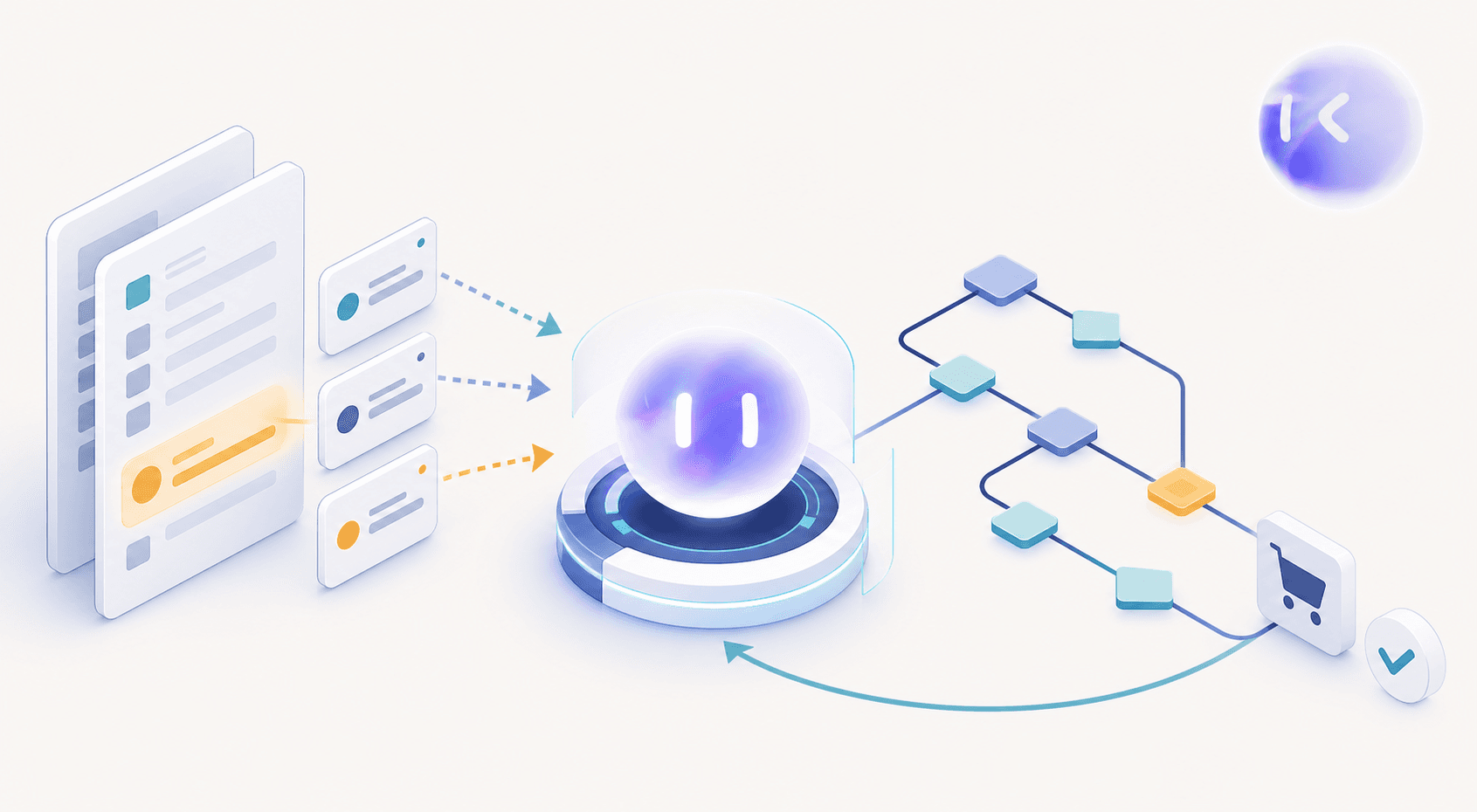
With Applause, its team assesses your QA challenges and designs the test strategy, choosing the mix of crowdtesters, AI, and automation; its site describes generating and evolving test cases as requirements change. A changed checkout requirement flows through that managed engagement.
Minitap is an AI QA employee that writes regression scenarios directly from product specifications, tickets, and existing tests. If a ticket changes checkout eligibility, Minitap uses that context to propose updates to the relevant tests and flags conflicting expectations for clarification; your team reviews only what it cannot settle on its own. For teams whose regression backlog grows with every release, this shortens the path between a requirement change and updated coverage, a shift worth understanding alongside managed mobile QA models generally.
Minitap vs Applause: Delivery Model and Platform Coverage
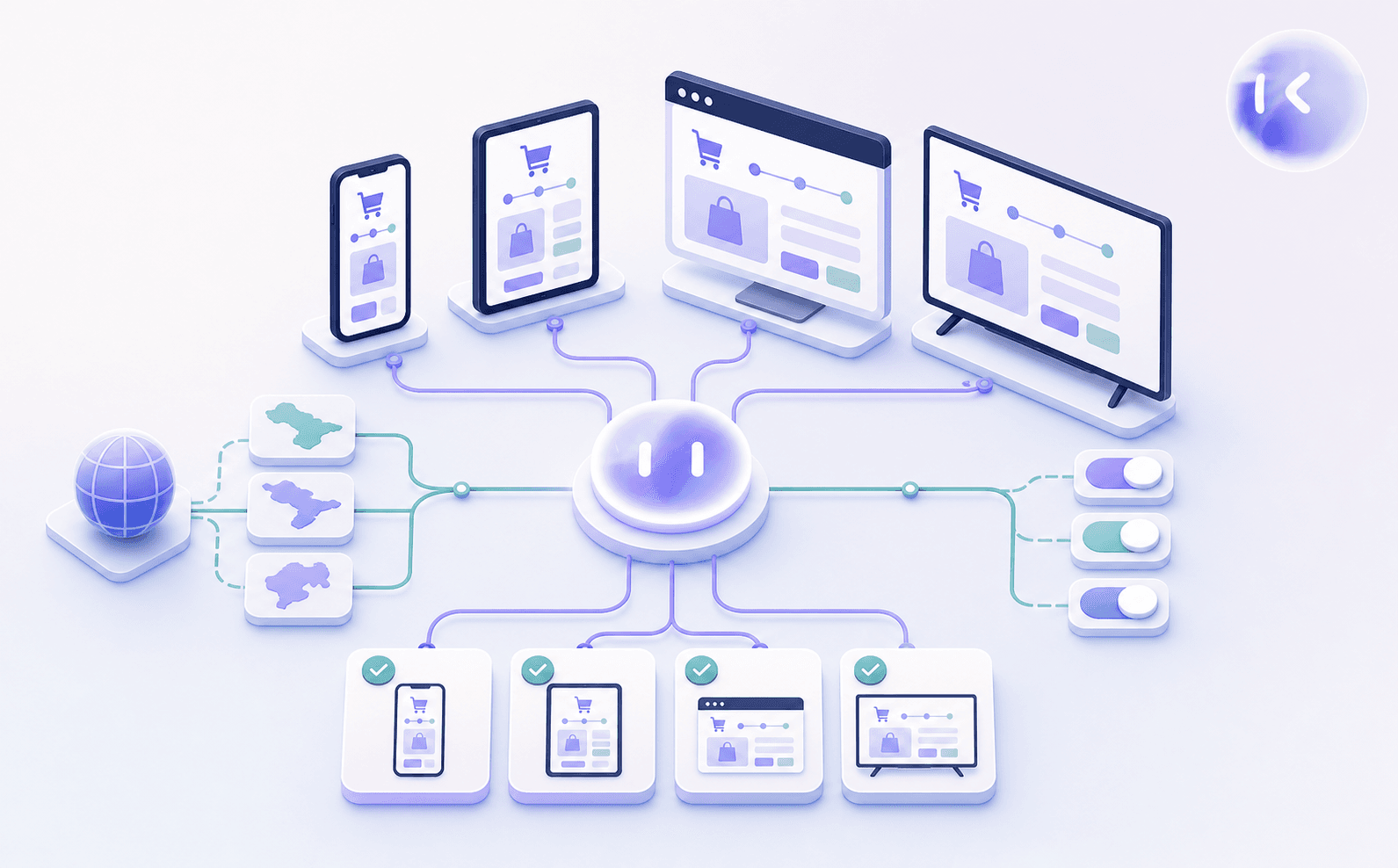
Compare completed passes across configurations, not tester availability alone. A checkout journey's expected result can change with geography or feature flags.
| Comparison | Applause | Minitap |
|---|---|---|
| Delivery model | Managed engagements; Applause states its community is available to test 24/7/365 | AI QA employee that runs regression scenarios on each release |
| Coverage model | Web, mobile, AI features, and in-market testing across 200+ countries and territories | Shared scenarios across web, iOS, Android, and Android TV |
| Configuration handling | Organized through engagement scope | Geography, CMS state, and feature flags inform expected results |
Minitap's vision-based, black-box execution avoids selector dependence, so UI changes lead to proposed test updates rather than selector repairs.
Minitap vs Applause: Specialized Validation and Engineering Workflow Fit
Specialized validation adds requirements: localization across languages and regions, accessibility testing with assistive-tech users, and payments using real financial instruments. Applause uses its testing community for these assignments, with in-market participants informing findings, a different model than modern regression testing for mobile apps. Engagement scope determines which participants and conditions are included.
Minitap is an AI QA employee focused on repetitive regression. mini reads Jira for context and files or links tickets from findings, and Minitap communicates findings and next actions in your team's existing workflow. If a billing dependency blocks checkout validation, the agent identifies the affected journey and recommends the next action, a pattern that shows up across how Minitap compares to other testing approaches. For enterprise teams facing regression complexity and limited QA capacity, that keeps blockers visible where engineers already work, a key factor when you select an automation QA services provider.
Where Each Fits
The deciding question in Minitap vs Applause is what kind of work you need covered. Applause provides managed testing with in-market human validation spanning localization, accessibility, and payment methods.
We built Minitap to reduce repetitive manual regression. Our AI QA employee writes and runs regression scenarios across web and mobile, compresses multi-day regression, and proposes test updates as the product changes. Engineering receives evidence and recommended actions with the results.
For teams whose release confidence depends on resolving regression complexity, Minitap puts that work under one AI QA employee, a model worth weighing among mobile application testing services.
Final Thoughts on Minitap and Applause Testing Models
Applause organizes testing through managed engagements. With our AI QA employee, you get regression results with a video of every run, and proposed test updates instead of script repairs. See how Minitap handles your next regression run, with evidence your team can review.