
Everyone's arguing about whether vibe coding is good or bad, but that's the wrong fight. The actual problem shows up after the code ships: no regression test, no record of what correct behavior looked like, and an agent that can reintroduce a bug it already fixed. That's the gap worth talking about, and it's the one this post digs into.
TLDR:
- Vibe coding means accepting AI code changes without reading diffs, per Karpathy's original definition.
- Risk depends on stakes: fine for weekend prototypes, risky for production systems handling user data.
- Veracode found 45 percent of AI-generated code samples introduce OWASP Top 10 vulnerabilities.
- The real danger is the testing gap: code ships fast, but nobody writes regression tests to verify it.
- Minitap reads the product from specs, tickets, and code, then tests across mobile, web, TV, browsers, and physical devices without a human writing or maintaining a single script.
What Is Vibe Coding
Vibe coding started narrow. In February 2025, Andrej Karpathy coined the term vibe coding, describing handing every suggestion to an AI agent, skipping diff review, and pasting error messages back until the code worked, calling it fine for weekend projects, not production. That strict definition means no diff reading, no line by line logic checks, just trust and move on. The term has since drifted to cover any AI assisted development, even workflows with real code review and testing, which is why debates about vibe coding keep talking past each other.
Is Vibe Coding Good Or Bad
The real answer depends on what you are asking it to do. Vibe coding spans a range from disposable prototypes to production systems, and the risk profile changes completely depending on where you land.
Stack Overflow's 2025 survey found 84 percent of developers use or plan to use AI tools, with 51 percent using them daily. But adoption has outpaced trust in the output. The real question isn't good or bad in the abstract. It's bad for what: a demo, a client feature, or a system handling real user data.
How Vibe Coding Differs From Traditional AI Assisted Development
Traditional AI pair programming keeps a developer in the loop: you prompt for a function, read the diff, adjust logic, and review before merging. Vibe coding skips that. You describe an outcome, accept the change, and move on without reading what got generated, matching Karpathy's original description of accepting all changes and letting code grow past what you could explain.
| Dimension | Traditional AI-Assisted Development | Vibe Coding |
|---|---|---|
| Review habits | Line-by-line diff checks | Wholesale acceptance |
| Prompt specificity | Targeted requests | Vague outcome descriptions |
| Accountability | Defending the code | Not tracing why it works |
The workflow you run determines the risk, not the label.
Why Vibe Coding Has A Bad Reputation
The reputation problem shows up in the same three places: complexity creep, where dependencies stack up faster than AI reliably reasons across them, and vibe coding quality gaps are well documented; the last mile problem, where the easy 80 percent arrives fast but edge cases and race conditions expose the real engineering work; and comprehension gaps, where unread diffs turn small bugs into long debugging sessions. Peter Steinberger called vibe coding a slur on the Lex Fridman podcast, and Karpathy later described moving on from the label, preferring "agentic engineering" within roughly a year of coining it.
Is Vibe Coding Cheating
Is vibe coding cheating depends entirely on the setting. Using AI to pass an interview or turn in an assignment without disclosing it breaks that context's rules, same as copying a solution off the internet. That's an academic integrity problem, not a vibe coding problem.
Shipping an internal tool or side project is different. Nobody grades how the code got written. Either it works or it doesn't, and you're still accountable for it.
Andrew Ng has pushed back on treating vibe coding as shorthand for "not a real engineer," and Peter Steinberger called the label a slur against people building real things with AI. The consensus among working engineers isn't that AI use is cheating. It's that skipping review on anything beyond a throwaway project is a bad habit.
Is Vibe Coding Bad For Beginners
For beginners, the tradeoff is real but not one sided. Vibe coding lets someone with zero programming background build a working app in a weekend, which is a legitimate motivator to keep learning.
The risk shows up later. Debugging instincts come from tracing why something broke, not from pasting an error back and waiting for a fix. A beginner who never reads the generated code skips the step where mental models of control flow and state actually form.
The middle ground: build what excites you, but read the diff when something fails instead of resubmitting the prompt. That habit, combined with shift left testing, builds real skill alongside a real project.
The Security And Reliability Risks Of Vibe Coded Software
The security problem is not a close call. Veracode's GenAI code security report tested over 100 LLMs on security-sensitive tasks and found 45 percent of AI-generated code samples introduce OWASP Top 10 vulnerabilities, a rate unchanged from 2025 through early 2026.
Nobody asked the model to threat model the feature, so it did not. Input validation gets skipped because the happy path worked. Secrets get hardcoded because that was fastest. None of this requires malicious intent, just nobody reading the diff.
AI-assisted developers commit at 3 to 4 times the rate of peers but introduce security findings at 10 times the rate, a gap that AI QA testing tools are increasingly designed to close.
What Developers And Reddit Communities Say About Vibe Coding
The recurring complaint on forums isn't that AI writes bad code occasionally. It writes plausible code that compiles, passes a glance, then breaks three features away, a pattern that mobile QA best practices are built to catch. Threads searching "i hate vibe coding reddit" cluster around one pattern: an agent ignores instructions or reintroduces a fixed bug.
The defense camp is real too: builders shipping prototypes or low blast radius features report genuine speedups on boilerplate. Both camps agree on one thing: nobody defends skipping review on code headed to production.
Where Vibe Coding Actually Works Well
Vibe coding earns its reputation in low-stakes, high-iteration settings where speed matters more than long-term maintainability and a wrong turn costs minutes, not an incident report.
- Throwaway prototypes: testing whether an idea works before deciding if it deserves a real build.
- Internal tools: a script that reformats a spreadsheet for one team, used a handful of times, never touching customer data.
- Hackathon projects: judged on demo day, not on code that survives contact with production traffic.
- Exploratory scripts: one-off data pulls where the output gets eyeballed once and discarded.
Karpathy's original framing fits these cases exactly: fine for weekend projects, not production. The common thread is short lifespan and small blast radius.
Is Vibe Coding Dead Or Just Rebranding
Vibe coding isn't dying. The version with no review is.
Karpathy himself moved on. A year after coining the term, he described programming via AI coding agents becoming the default professional workflow, except now with more oversight built in. His preferred name for that shift: agentic engineering.
Critics see something else. Simon Willison has argued the term gets misapplied to any AI-assisted programming, careful or careless. Peter Steinberger calls the label a way to dismiss anyone using AI tools.
What's dying is skipping review once code leaves the weekend project folder.
The Testing Gap Nobody Talks About
The part of vibe coding that gets debated is the writing. The part that breaks things is what happens next: an agent ships in minutes, nobody writes a regression test, and nobody documents what "correct" looked like before.
That's the real mechanism behind most "vibe coding gone wrong" stories: unverified change velocity outpacing verification capacity. Software defect research has shown production bugs take more time and resources to fix than the same defect caught earlier in the cycle, with some analyses putting the cost multiplier at 10x or more depending on severity and the time between introduction and discovery, which is why catching mobile bugs before production matters so much.
How To Vibe Code Without Losing Control
Sustainable vibe coding is not about slowing down. It is about adding checkpoints that catch problems before they compound.
- Write specific prompts: describe the exact function, edge cases, and constraints instead of hoping the model guesses right.
- Scan for security issues before merging: catch hardcoded secrets and missing input validation before they reach a shared branch.
- Keep production changes behind a verification step: the weekend project rule stops applying once real users and data are involved.
- Pair every AI-generated change with automated regression testing: Minitap catches what broke across flows your team never thought to check.
Most teams fall apart at that last point. Writing code fast and testing it thoroughly are different disciplines, and keeping testing in step with AI generation is the core challenge. Vibe coding stays sustainable only when verification speed matches writing speed.
How Minitap Closes The Testing Gap In AI Generated Apps
Minitap closes that gap. It's an AI QA employee built on agentic AI testing: it reads the product from specs, tickets, and code, then tests across mobile, web, TV, browsers, and physical devices without a human writing or maintaining a single script.
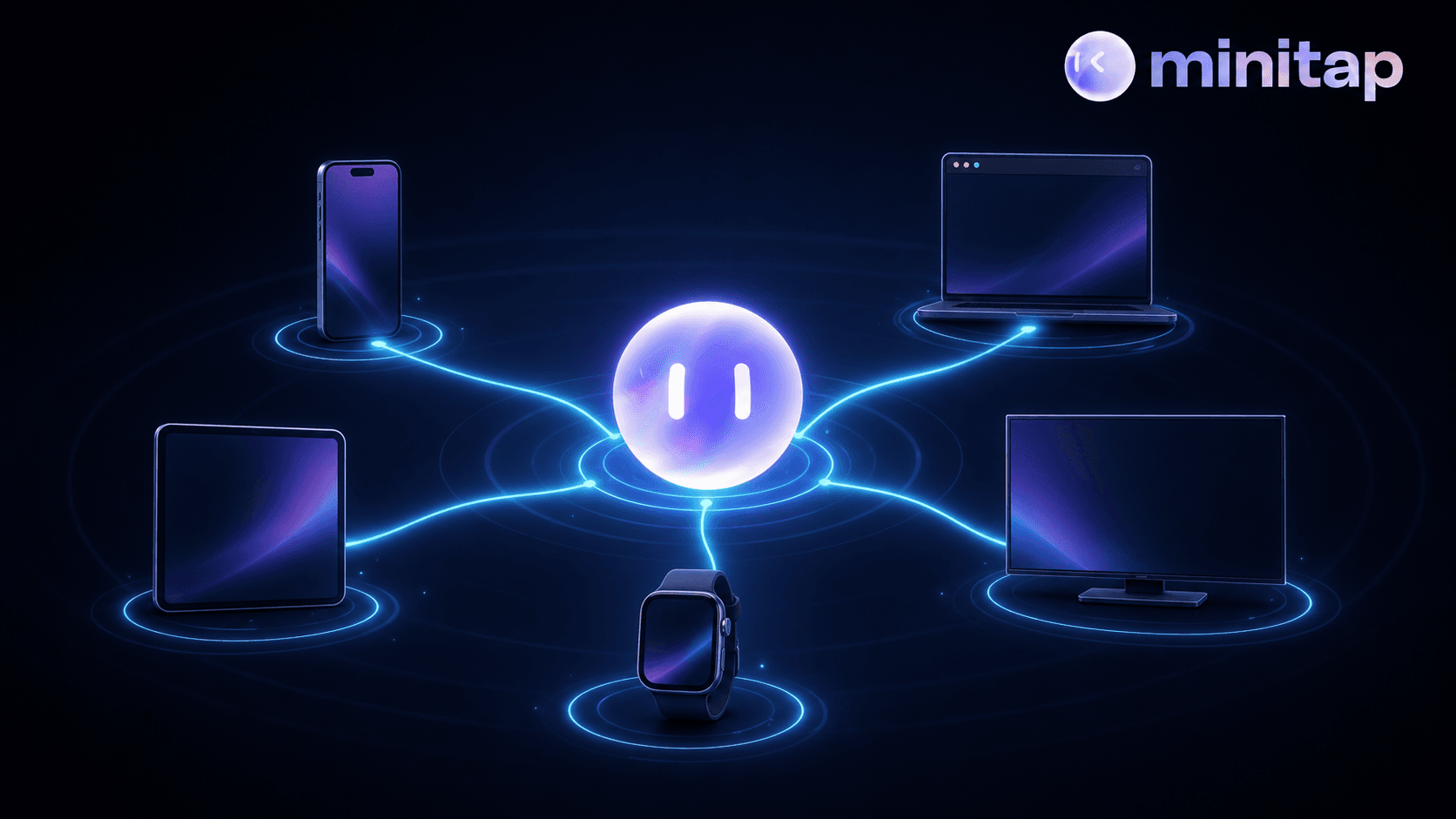
The Android release described earlier, roughly three days with four to five QA engineers, compresses into about an hour, which is what mobile QA automation looks like when it actually works at scale. When something is blocked or ambiguous, Minitap explains why and recommends the next action instead of failing silently, closing the gap between AI generated code and release confidence.
FAQ
Is vibe coding bad for production apps, or only for side projects?
Vibe coding is fine for throwaway prototypes and internal scripts with a short lifespan and small blast radius. The risk climbs sharply once real user data, production traffic, or shared infrastructure is involved. Veracode found 45 percent of AI-generated code samples introduce OWASP Top 10 vulnerabilities, and AI-assisted developers introduce security findings at 10 times the rate of peers, so the answer depends entirely on what the code is doing and whether anyone is verifying it before it ships. Minitap answers that verification question directly: it reads the product from specs, tickets, and code, then runs regression across mobile, web, TV, browsers, and physical devices before production changes reach users, without your team writing or maintaining a single test script.
What is the real reason vibe coding goes wrong in production?
The code writing is not where most vibe coding failures originate. The gap is what happens after: an agent ships a change in minutes, nobody writes a regression test, nobody documents what correct behavior looked like before, and the same bug gets reintroduced because there is no record to check against. Minitap closes that gap by reading the product from specs, tickets, and code, then running regression across mobile, web, TV, browsers, and physical devices without your team writing or maintaining a single test script. The Android release cycle that typically takes roughly three days with a QA team of four to five people compresses to about an hour.
What's the best way to keep vibe coding sustainable without slowing down release velocity?
Sustainable vibe coding means matching verification speed to writing speed, not slowing down. The four checkpoints that matter most are writing specific prompts with edge cases named upfront, scanning for hardcoded secrets and missing input validation before merging, keeping a human review gate on any code touching production, and pairing every AI-generated change with regression testing. That last point is where most teams fall apart. Minitap handles the regression layer automatically, so your team gets the speed advantage of AI code generation without accumulating the verification debt that turns fast shipping into frequent incidents.
How reliable is vibe coded software compared to traditionally reviewed code?
Reliability depends on what verification runs after the code is written, not on whether AI generated it. The documented gap is that skipping diff review and regression testing turns speed into a reliability liability. Code that ships fast and gets tested thoroughly, with real regression coverage across the flows users actually run, can be as reliable as anything written with traditional review. The problem is that most teams running vibe coding workflows have not built the verification layer to match the generation speed. Minitap is that verification layer: it reads the product from specs, tickets, and code, then runs full regression across mobile, web, TV, browsers, and physical devices, so vibe coded software gets the same reliability bar as traditionally reviewed code without slowing down releases.
What's the fastest way to close the testing gap left by AI-generated code in a mobile app?
The fastest path is a QA layer that does not require your team to write or maintain test scripts. Minitap connects to your sources of truth, including specs, tickets, and code, builds an understanding of expected product behavior, and runs end-to-end regression across iOS, Android, web, TV, browsers, and physical devices automatically. When something is blocked or ambiguous, it explains why and recommends the next action instead of failing silently. Your team gets release confidence without the regression cycle that used to consume days of QA capacity.
Final Thoughts On Vibe Coding And What Comes Next
Your code can ship fast or ship safe, and the gap between those two closes with testing, not with slowing down. Vibe coding works great for throwaway builds and falls apart the moment nobody checks what changed before it reaches users. Build at whatever speed suits your project, just make sure verification keeps up. Minitap gives your team that verification layer so speed and confidence stop being a tradeoff.